My Journey
You know what they say - Rome wasn’t built in a day. And my journey… well, that goes back over a decade.
-

2013
Very active lifestyle, but at my heaviest weight while eating standard western diet.
-

2015
Weight plummeted due to severe self-imposed calorie restriction, relying solely on willpower and caffeine.
-

2016
Discovered raw veganism! Finally eating in abundance, but struggling with emotional eating and occasional vegan junk food binges.
-
2017
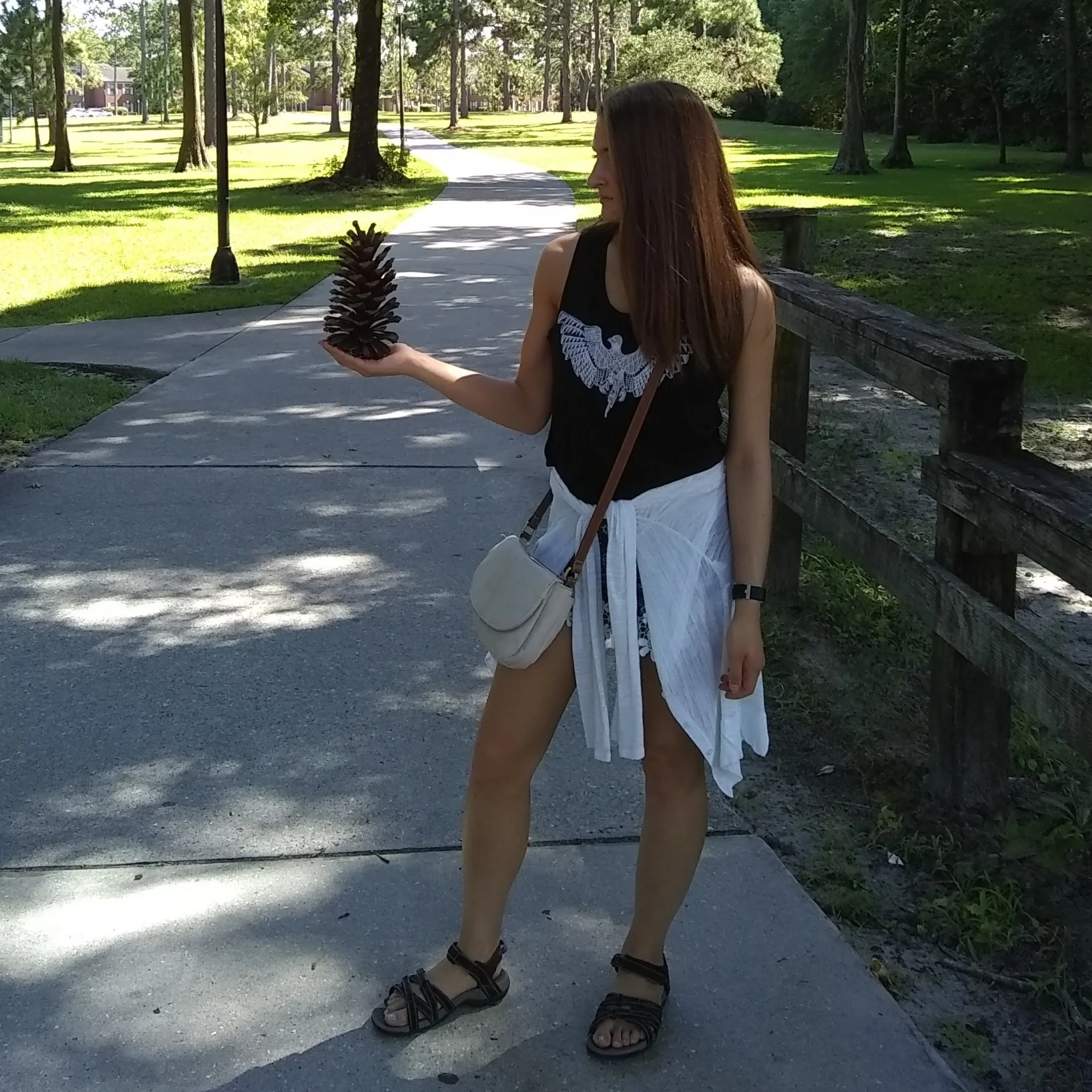
Health was slowly but surely improving - I had energy again, my skin cleared, and my hormones began balancing. However, I still had emotional eating patterns and a lingering fear of weight gain.
-

2018
Bulimia relapse - Still eating a high-raw vegan diet, but restricting and cleansing habitually.
-
2019
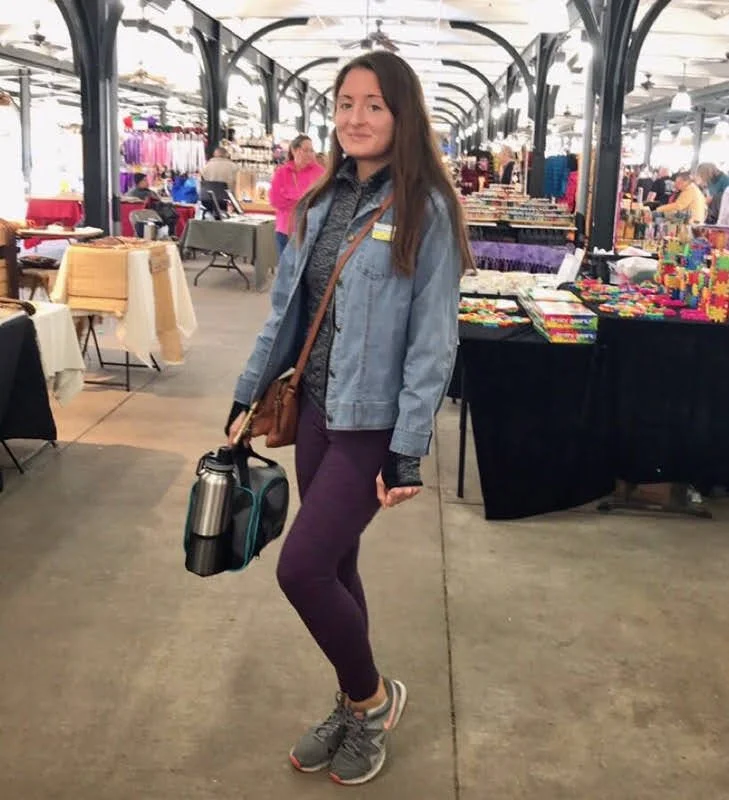
Post-eating disorder recovery. Uncomfortable in my bigger body, but finally healthy and learning to love myself unconditionally.
-
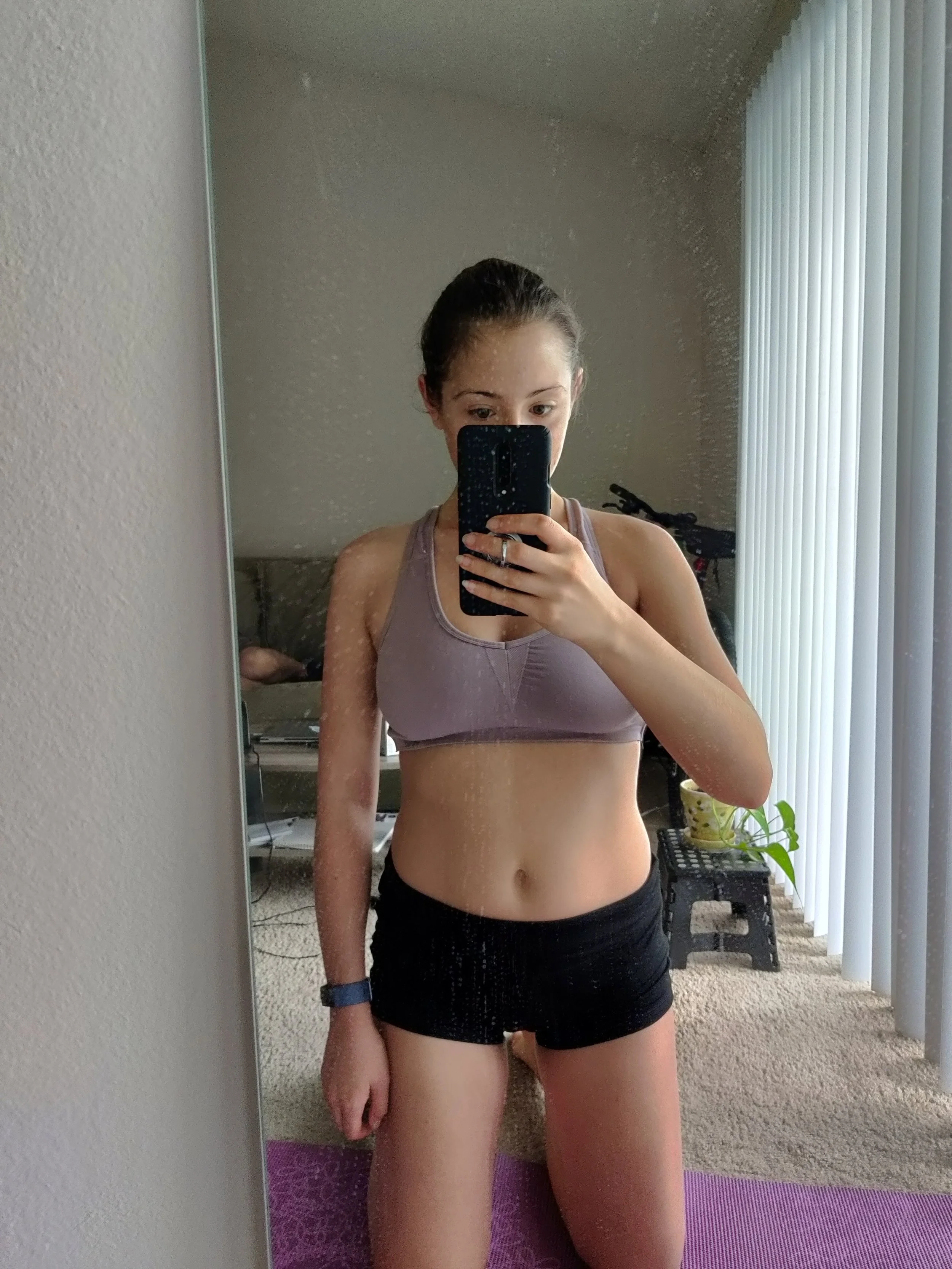
2020
The beginning of a new chapter of wellness. I started working out regularly and weight training for better mood and overall health, rather than punishment.
-
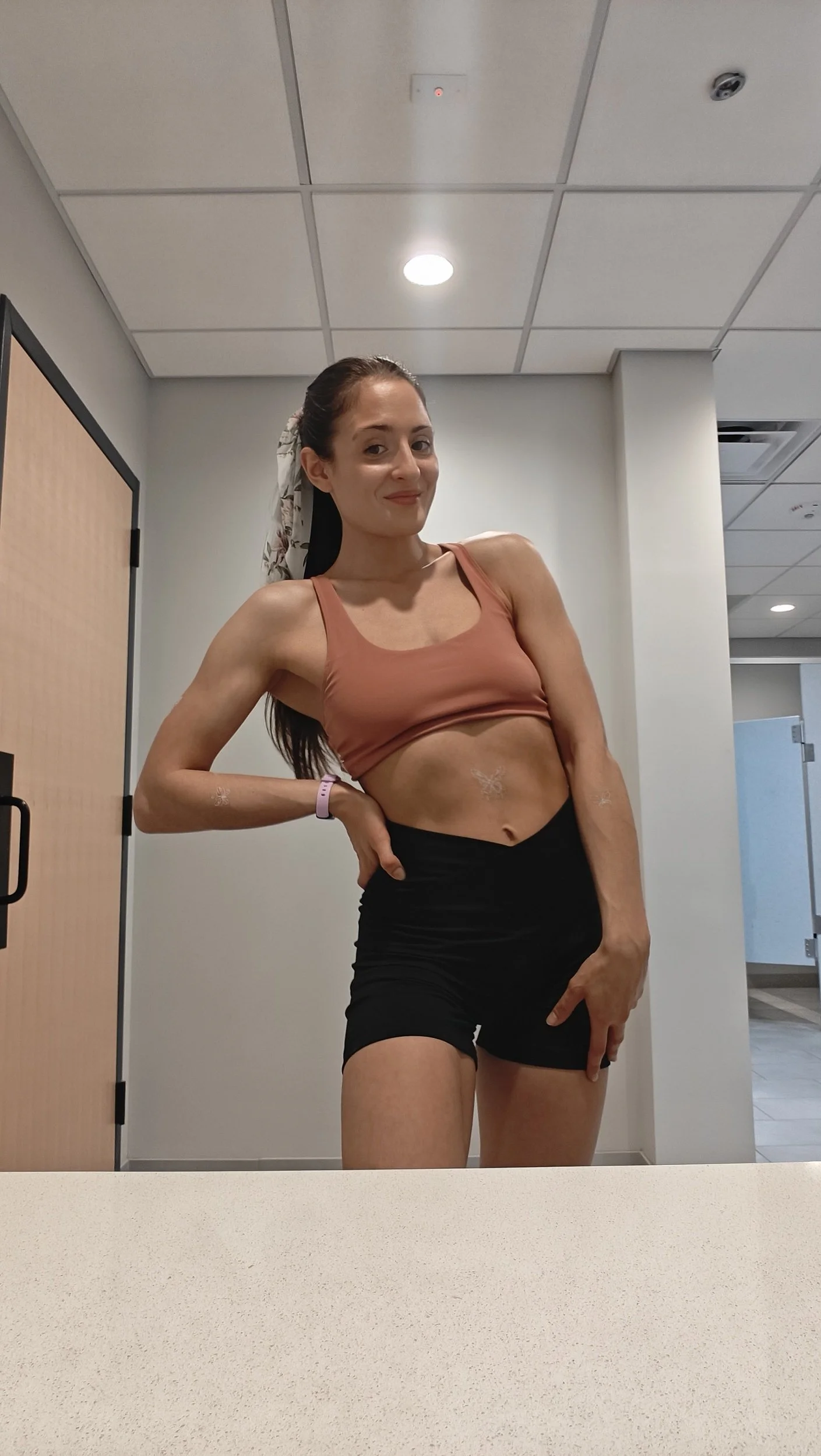
Present
Eating in abundance on a high-raw vegan diet, stronger than ever, and no longer ruled by restriction or emotional eating.
The Full Story
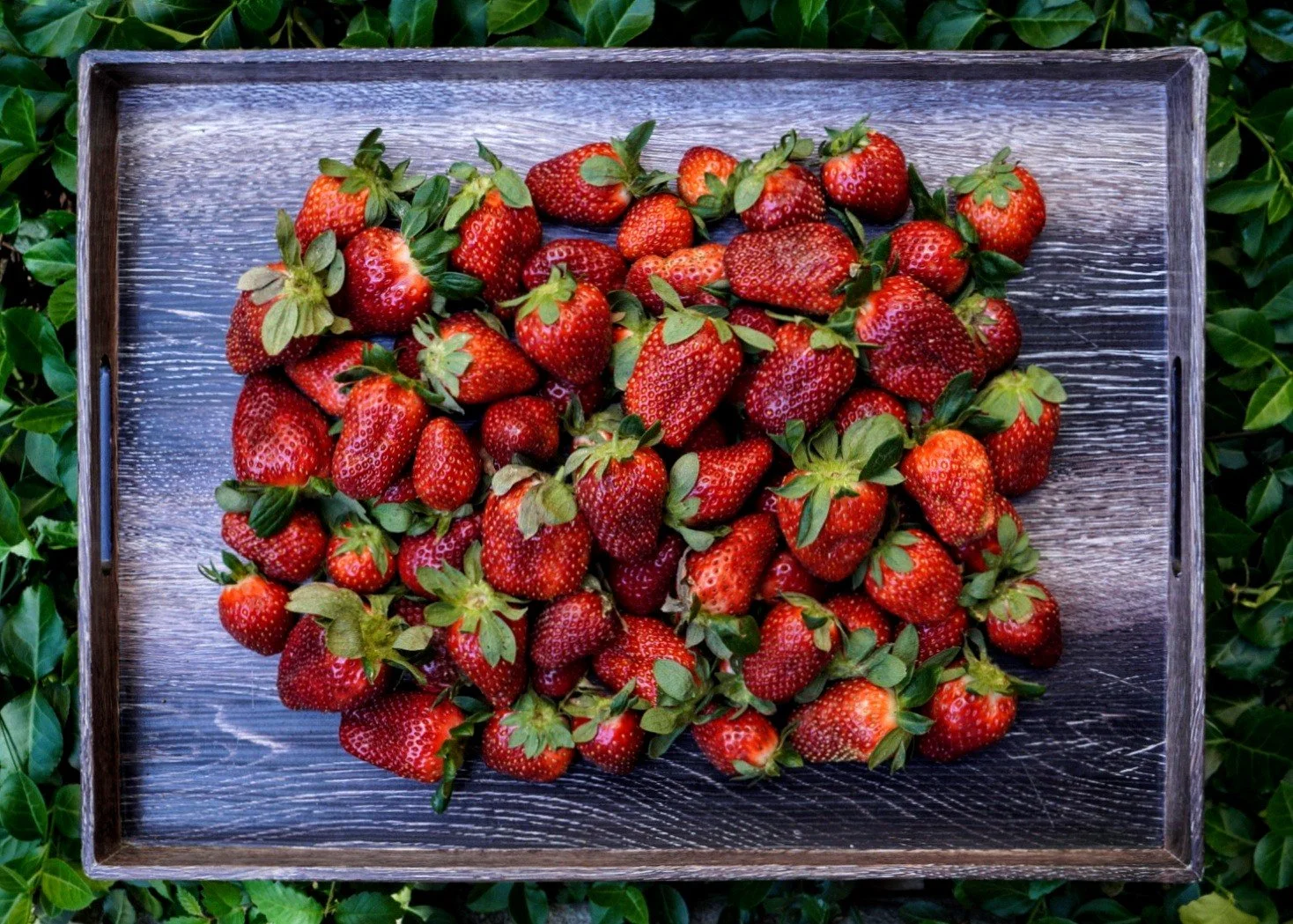
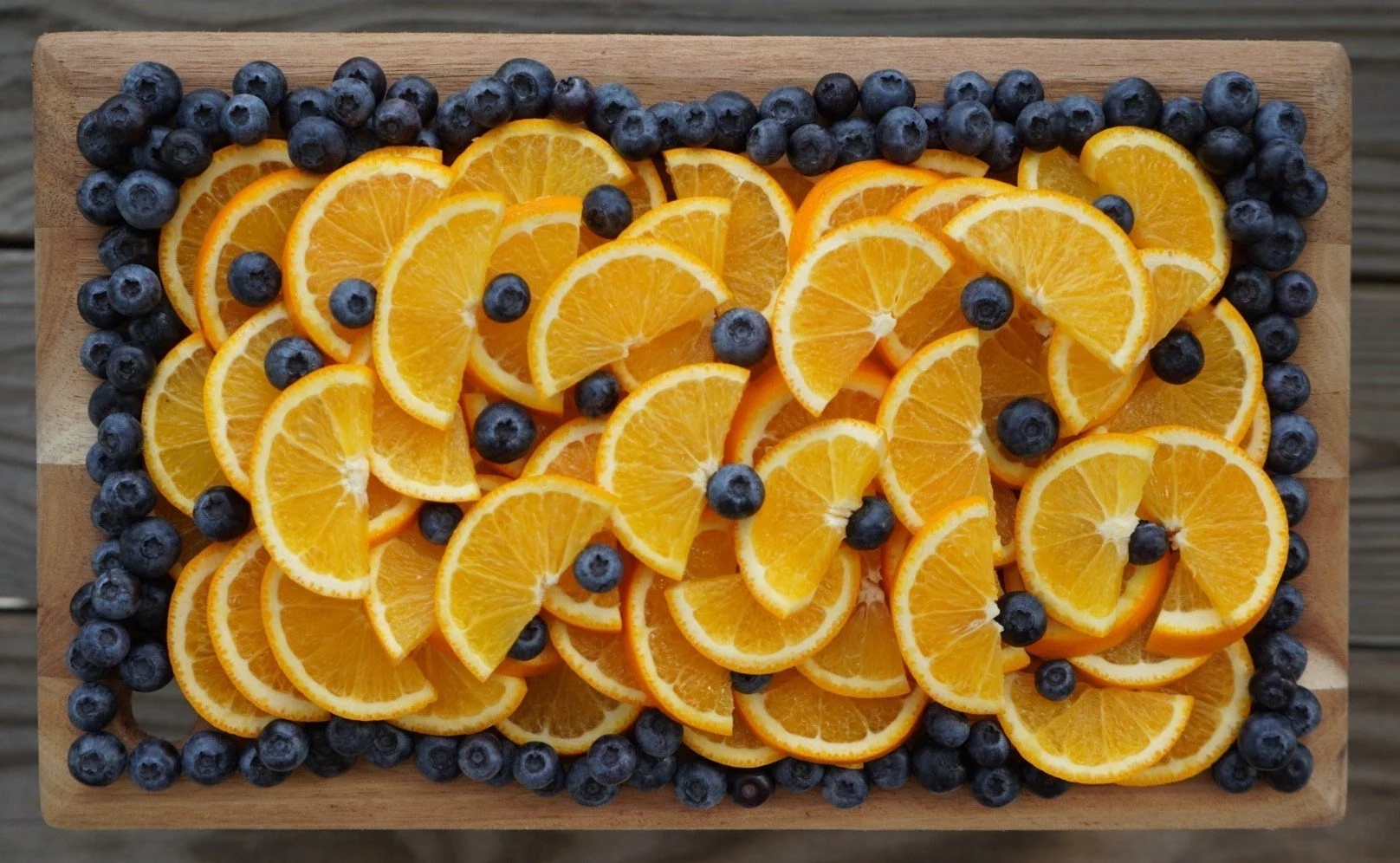
Hey, I’m Jenny (@Cocogirljen), and if you’ve followed me on Instagram, you’ve probably seen my colorful fruit platters and tasting videos. But behind the vibrant platters is a deeper story.
Like many coaches, I didn’t wake up one day eating fully raw and feeling great. My journey wasn’t linear or easy; it was emotional and far from perfect. To understand what compelled me to go raw vegan overnight at 17, we have to go back to 2013.
I was always slightly bigger than my peers, which unfortunately meant I faced bullying at school. I also dealt with hormonal acne, constant fatigue, and a bottomless appetite that left me constantly chasing fullness. By high school, the stress of classes, sports, and social pressures drove me to develop a serious emotional eating problem. Volleyball kept me active, but after practice, I’d binge eat as a form of escapism. I didn’t have emotional outlets, and food was always available.
At 15, I hit my heaviest weight despite my active lifestyle. It was a wake-up call. I cleaned up my diet, started running, and lost 20 pounds. Things were great until my first breakup at 16 sent me spiraling. Instead of overeating, I began obsessively tracking and reducing my calorie intake while over-exercising. I dropped another 20 pounds. I was miserable, but was told I was finally “healthy” and “successful” because I had lost weight through willpower alone.
Deep down, I knew I was going to crash and wasn’t truly “healthy”. After all, I had lost my period, became irritable, and withdrew socially. I started therapy, which helped to ease up on the restriction, but eating disorders take much more than therapy alone to overcome.
By junior year, school became crazy, and I couldn't keep up. I started waking up in the middle of the night and sleepwalking to the fridge. I was waking up with crumbs on my bed and boxes in my room. This was terrifying and drove me into a horrid cycle of restriction during the day to make up for the previous night’s binge, only to come home from school ravenous and unable to stop myself from eating the entire pantry.
This inevitably led to weight gain, which, although necessary, I couldn’t accept. Still under the influence of an eating disorder, I began combating the binges by purging. This led to my darkest days. Restrict, binge, purge, and pass out. That was my daily cycle. I badly craved to eat as much as I wanted, feel full, and not worry about gaining weight. I spent hours online each night searching for answers, anything to get me out of that hell.
Finally, I found raw veganism. Influencers like Freelee the Banana Girl were eating tons of fruit and thriving, which blew my mind. Could I really eat more and feel better?
That’s when everything changed. At 17, I went raw vegan overnight. And while it wasn’t easy, it shifted my mindset around food to something positive. I was eating an abundance of fruit, smoothies, and huge salads. I finally felt nourished.
Despite initially going raw vegan for health reasons, I educated myself on ethical veganism as soon as I made the diet switch. This solidified my decision. Now I had a bigger WHY outside of myself, which helped motivate me to stay on track.
Of course, going raw didn’t magically fix everything. I still had emotional eating patterns, a lingering fear of weight gain, and occasional binges (this time with vegan junk food). But I was improving. I regained energy, my skin cleared, my hormones began balancing, and I got my period back.
Then, another breakup in 2018 knocked me off course. This time, I relied on diuretics and over-exercise. My body was depleted. I lost my period again and spiraled into depression. At this point, I realized no amount of trying to run away and distract myself would help me overcome my emotions or heal my relationship with my body and food.
I was so tired and finally dedicated myself to eating disorder recovery. No job, no schoolwork, just rest, food, and emotional healing. I ate as much as I wanted, stopped exercising obsessively, and hired a spiritual mentor who helped with emotional release.
By allowing myself to rest and eat without fear, I rebalanced my metabolism, hormones, and emotions. Eventually, my appetite normalized. I was able to feel full, and wasn't thinking about food 24/7. My emotional eating episodes and binges became rare and I started enjoying movement again—not to burn calories but because it felt good. I transitioned into an 80–90% raw lifestyle, but now with freedom from disordered eating.
In 2019, I moved cities, got a new job, and continued to grow. I fell in love with exercise, especially resistance training. After an incredible healing journey, I felt inspired to share bits of my life and transformation online. I created raw vegan social media content and connected with others who had similar stories. This, along with my inherent desire to help others, is what inspired me to become a coach.
It’s been a few years since then, and I could not be happier. I truly never believed I could feel (or look) this good. I’m proud to say that I’ve fully broken free from the binge/restrict cycle, and my relationship with my body has never been better.
Now my mission as a coach is to help others break free, too, to finally feel safe in their bodies and at peace with food. 💝
General FAQs
-
There are a few things that qualify me to be a health coach:
First and foremost, I am certified as a professional health coach through the National Board for Health & Wellness Coaching, Institute of Integrative Nutrition, and the International Association of Health Coaches.
Secondly, I hold a degree in Social Services from the University of Hawaii. Although Social Services is not a 1-1 equivalent to health coaching, many of my courses in psychology, health and wellness, and logic have prepared me well for a career as a coach.
Lastly, my experience is what sets me apart. As a wellness enthusiast with almost 10 years of eating high-raw vegan under my belt, as well as being an active member in the community, I am very knowledgeable in this niche. I also have a background working in corporate wellness and as a group fitness instructor, and am a NCAA Certified Personal Trainer.
-
A vegan diet (also known as a plant-based diet) is a diet that excludes all animal products and byproducts, including meat, poultry, fish, dairy, eggs, honey, and gelatin.
A vegan diet is a part of a vegan lifestyle, but the two are not the same. A vegan lifestyle encompasses living in a way that excludes all animal products, including food, clothing, and other goods, based on ethical, environmental, and health reasons. The idea is to minimize unnecessary suffering of innocent sentient beings as much as possible.
According to the Journal of the Academy of Nutrition and Dietetics, “appropriately planned vegetarian, including vegan, diets are healthful, nutritionally adequate, and may provide health benefits for the prevention and treatment of certain diseases. These diets are appropriate for all stages of the life cycle, including pregnancy, lactation, infancy, childhood, adolescence, older adulthood, and for athletes.”*
*Melina, V., Craig, W., & Levin, S. (2016). Position of the Academy of Nutrition and Dietetics: Vegetarian Diets. Journal of the Academy of Nutrition and Dietetics, 116(12), 1970–1980. https://doi.org/10.1016/j.jand.2016.09.025
-
Raw veganism is a version of veganism in which adherents do not consume food cooked above 118° Fahrenheit (48° Celsius), in addition to excluding animal products and bi-products.
A raw vegan diet is typically composed of an abundance of raw, whole foods such as fruits, vegetables, nuts, seeds, greens, herbs, and foods prepared with raw “cooking” techniques such as juicing, dehydrating, and sprouting.
A high-raw vegan follows a raw-vegan diet but doesn’t completely exclude cooked food. Rather, they may consume small quantities of it.
Technically speaking, a high-raw vegan diet is composed of 51-99% “raw” foods (by calories, not volume), but most individuals who label themselves as a “high raw vegan” lean towards the higher percentage of raw foods.
-
Emotional eating is a nonpathological eating behavior characterized by the tendency to overeat in response to negative emotions with the goal (whether conscious or subconscious) to numb or escape from said emotions. Stress eating is a version of emotional eating.
Emotional eating can inhibit progress when it comes to health goals, as we often reach for convenient, less healthy, high-calorie foods when we are under emotional distress. Although emotional eating can be a very hard habit to break, it is definitely not impossible. Awareness of emotional eating as a major barrier to weight loss and other health endeavors is growing everyday in the mainstream health and wellness movement.
Through health coaching we’ll work together to identify your personal triggers, build a more positive relationship with foods, and create sustainable habits that support your physical and emotional well-being without relying on restriction or guilt.
A huge portion of the Embody Your Truth program is focused on overcoming emotional eating as well. This is done through setting yourself up for success, preventing spirals, and finding other emotional outlets personalized to you.