
Things I Wish I’d Known Before Going Raw Vegan 🥥
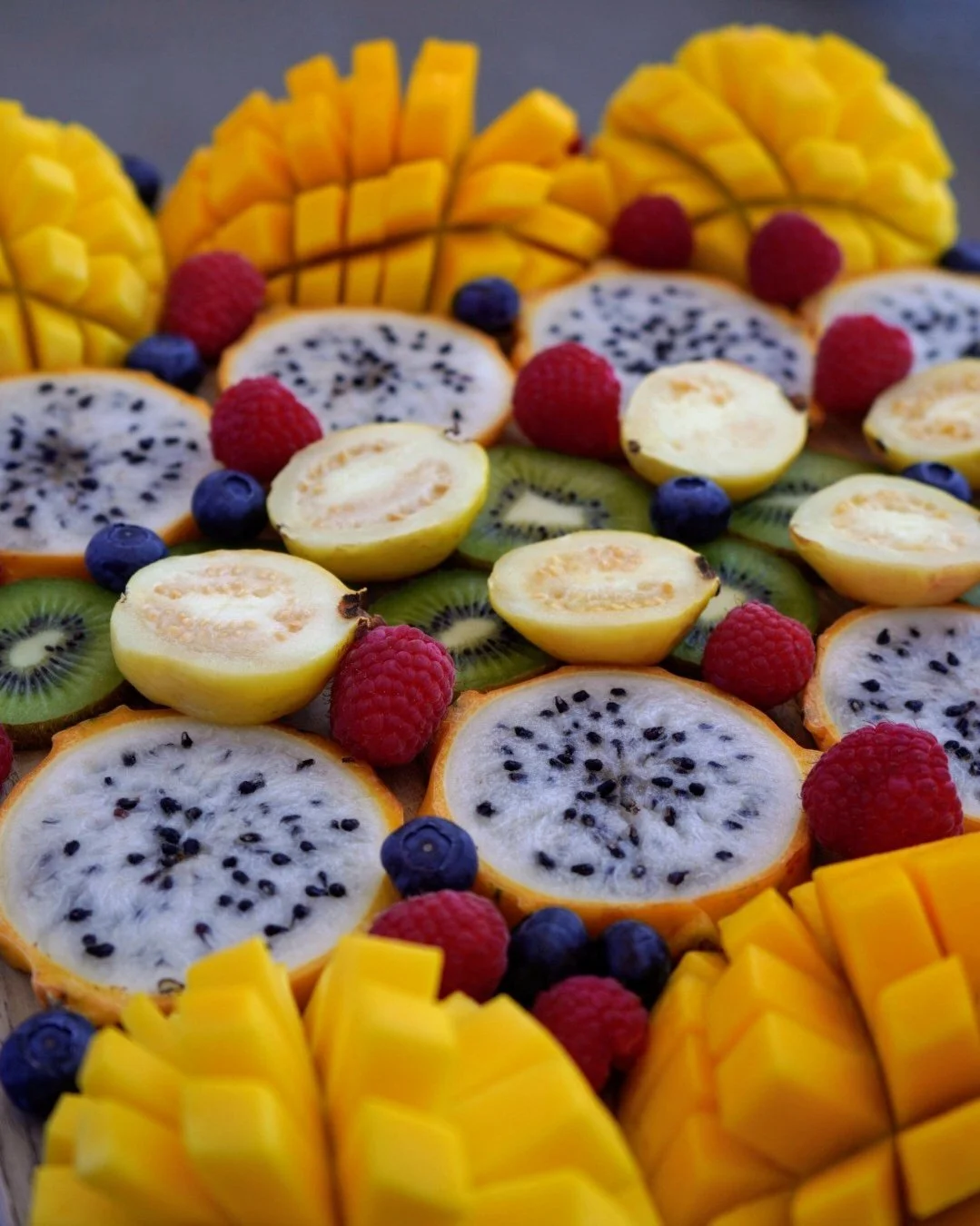
Transitioning to and maintaining a raw or high-raw vegan diet can be quite an undertaking, especially if you’re coming from a meat and processed-food-heavy standard Western diet.
After taking the leap myself almost 10 years ago, I’ve learned a thing or two. I created this guide in hopes that sharing some of my wisdom here will better prepare you for this lifestyle and make the transition (at least a little bit) easier. So, without further ado, let’s get into it. Here are the things I wish I had known before going raw vegan:
The first two weeks are the hardest.
People had warned me about this before diving into raw veganism, but I honestly wish I had taped that fact to my forehead. Between the taste bud turnover, the gut flora adjustments, the detox, AND the changes in social and everyday routines, the first two weeks were very challenging to power through.
With that said, the first two weeks are also very cleansing and a great opportunity to reset and practice being strong. I always tell people that if you can use your health journey as your rock and stay true to your goals when times are tough, doing so when life is going well will be a breeze.
During these two weeks, it is essential to cultivate your deeper WHY. Maybe this means educating yourself on the truth behind the negative effects of animal agriculture (this is what I did, and it was very effective). This may also look like getting in touch with your desires. Maybe your bigger WHY is that you want to have the energy to play with your kids (now or in the future).
If you’re able to keep that focus and drive during these two weeks, you’ll be just fine, especially becasue once you make it through the first two weeks, things get much easier.
You’ll find that’s a general trend. It gets easier after two weeks, two months, two years, etc.
I promise, the long-term benefits are so worth it. 💯
2. You may experience an “energy high” when you begin this lifestyle, but it doesn’t last forever.
After the first two weeks (which, as I mentioned, typically coincide with the initial adjustment period and a wave of detox), you may experience what some have dubbed the “raw high” or “prana boost”.
There’s not much scientific backing to this, but it’s a well-known phenomenon in the community that deserves to be mentioned.
I theorize that this “high” is caused by the sheer night-and-day nutritional difference between a low-carb, high-fat, and highly processed food diet and the high-carb, whole foods, antioxidant, and vitamin-rich raw vegan diet.🍇
You may have gone from hitting none of your RDAs to almost all of them in a very short period of time. You’re probably significantly more nourished and hydrated, and you’re no longer being bogged down by all the chemicals found in many processed foods.
Clean nutrition and focusing more on your health will have your body feeling on another level, and this can result in a heightened mood, extremely high energy levels, and just generally feeling excited about life.
When I first went high-raw vegan, I started running again, and I truly felt like I was flying.
Now, as I said, this “high” doesn't last forever. You will continue to feel much better than you did before making the transition as long as you’re intentional about your diet and such, but you will eventually return to Earth. 🌍
The explanation for this is simple - you’re just going to get used to feeling good, and that’s ok. You're not supposed to feel "on top of the world" every moment of every day, even if you're eating raw vegan.
Enjoy the high while it lasts, but don't worry when you start feeling human again. You've just found your new comfort zone at a much higher vibration. 💜
3. You will have to pee (and… well, you know) more often.
Of course, this is to be expected, with the increased water and fiber intake from hydrating whole foods, but it still came as a shock to me. Also, quick note - your pee should not be dark yellow all the time. That’s actually a sign of dehydration. If your kidneys are functioning properly and you’re hydrated, your pee should be transparent yellow to clear. Yep.
4. Smoothies will be your best friend if you’re not used to eating a large volume of food or you've got a busy schedule.
It has taken me YEARS to be as efficient as I am currently with all of my meal prep, shopping, etc. It’s an art and a science that you will master eventually through practice.
Smoothies are a great way to easily digest a large portion of your calories for the day and cut down on prep time while you’re still learning the ropes.
5. Always wash your fruits and vegetables. Please. Otherwise, you might regret it later. 🙈
I was taught basic food safety tips like this at a very young age, so I knew it was important to wash my produce before eating it. Yet, for some reason, I just ignored this for the first couple of years. 😬
Now, it’s not that I never washed my produce. I always did when I was home. The issue was when I was eating on the go. You see, when I was in school, I lived a very busy life, and I struggled with chronic tardiness. This meant I often ate in my car on the way to class, ate while I was out, ate while I was on break in my car, etc.
I would buy berries and other fruit from the store and bite into them while driving! Not only was this UNSAFE because I was driving and eating, but it was UNSANITARY! And trust me, I paid the price. Within the first 2 years of being a raw vegan (and eating unwashed fruit in my car), I got food poisoning FOUR TIMES.
I’m honestly surprised I didn’t get sick more.
So if you're new to this lifestyle, please, please ALWAYS wash your fruits and vegetables, and check over them thoroughly, even if they're pre-washed! Machines sometimes miss things!
Nowadays, I wash and check over all of my produce thoroughly. The raw vegan lifestyle is great for healing and boosting your immune system, but it does not make you invincible.
6. The cravings for old comfort foods eventually dissipate.
This relates back to my first tip in the sense that the more you let go of your old lifestyle and embrace this new one, the easier it will be not to slip back into old habits.
When I first went raw vegan, I remember always getting caught in this negative mental spiral, trying to make peace with the fact that I could never eat "normal" mac 'n cheese again. I used to fight my cravings and worry that they would get more intense the longer I went without certain foods. When in reality, the exact opposite happened.
You see, we tend to crave what we eat. Every time you consume something, you’re training your body to see that food as a calorie source. The only reason I craved that mac 'n cheese was because my body was used to it, and the rest was simply an emotional attachment.
If you can, once again, let go of any attachments to your old lifestyle that are holding you back, the rest will come naturally as your taste buds and gut flora adjust. You will not have to fight cravings for old comfort foods forever. Eventually, your body will start to crave whole foods rather than foods that weren't serving your well-being. 💖
7. This diet is inherently very nutritious, but there are some simple nutrition goals to keep in mind when starting out if you want to feel your best.
Speaking of foods that serve your well-being, here are 5 things to add to your mental checklist as a newbie to the raw vegan if you want to feel your best and succeed on this lifestyle:
Sufficient calories.
This is probably the most important of all. If you're not getting enough calories, you're likely (over time) going to end up undernourished as well. I recommend at least 2000 calories per day, but many of you will probably need more like 2300-3500 calories per day, especially if you’re active!! (And a quick tip: We want to be active humans! So make sure you eat enough to fuel an active lifestyle!)
Of those calories, most of them should be from fresh, hydrating, high-carb fruits and veggies. Local and organic are always best, but do what you can based on your situation. 🍊
Make sure you're consuming a large variety of those fruits and veggies! We want the whole rainbow when it comes to colors. This will better ensure that you’re consuming a wide range of nutrients and are less prone to deficiencies. 🌈
This is a lower-fat diet, not a no-fat diet. I recommend getting in at least 1 healthy fat source per day. This could be avocado, nuts, seeds, etc. The higher the omega-3s, the better.
Greens, Greens, Greens!! 💚 Get in those dark leafy greens every day, even if this means hiding them in a smoothie or juice! Daily dark leafy green consumption helps ensure you are receiving plenty of minerals. They’re also great for satiety and promoting proper circulation.
